


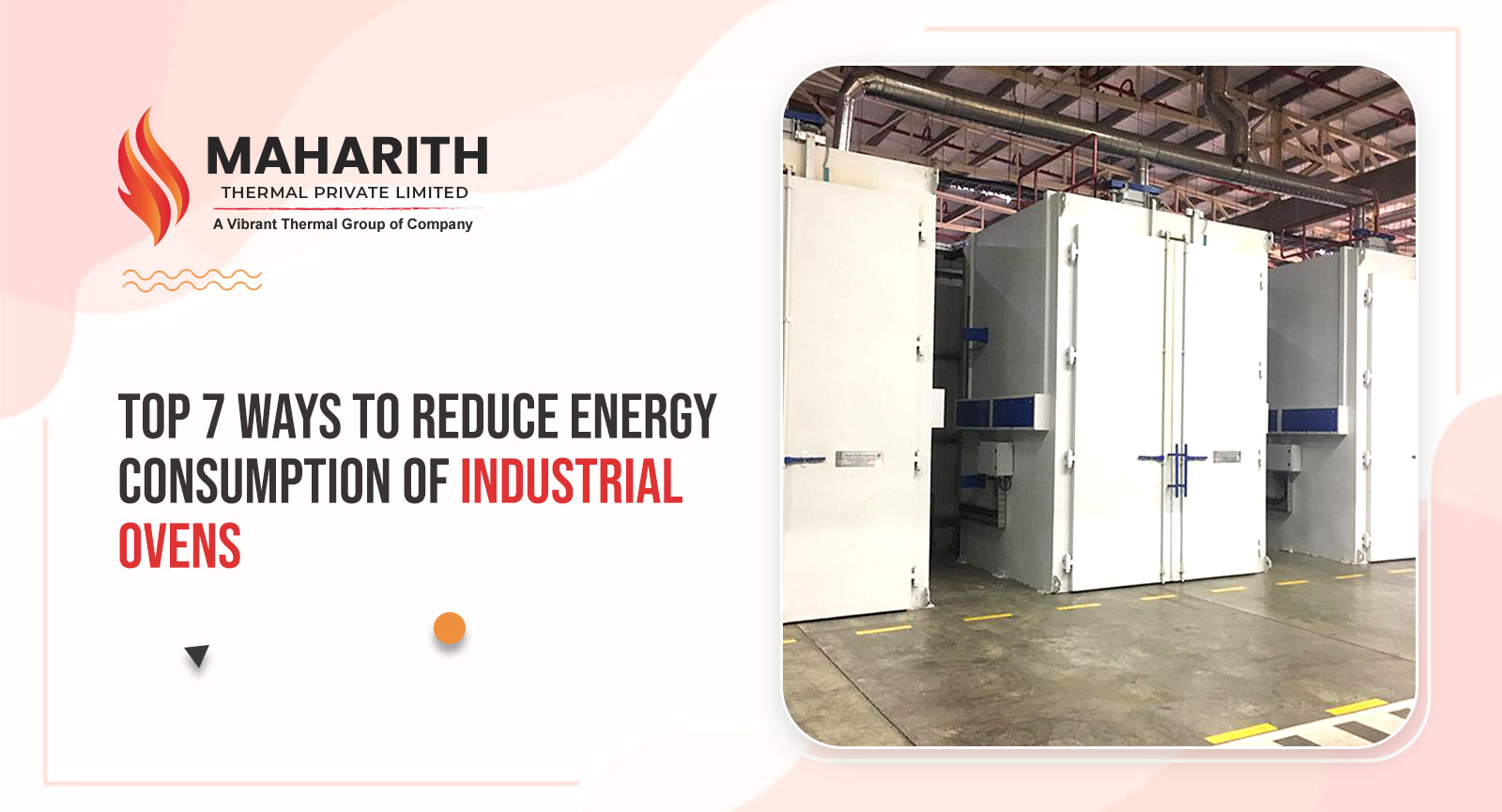
A heating box that performs a range of industrial procedures is necessary for a variety of industrial applications. The industrial ovens satisfy this criterion. In essence, these are sizable heated chambers that are employed in baking, drying, and curing processes. These devices work well under a variety of pressure and temperature conditions.
Even though these ovens are incredibly efficient, they still use a lot of energy. This makes it necessary to make these practical pieces of equipment more energy-efficient. If you’re wondering what actions may be performed to increase the energy efficiency of industrial ovens, this blog is a must-read.
Here are seven strategies for manufacturers to reduce the energy expenses related to the use of ovens:
Energy Saving Mode
How can you preserve your phone’s battery? You mean to put it in energy-saving mode? The ovens can be treated in the same way. It is possible to modify the ovens’ peak demand charge. You can save a significant amount on your energy costs by lowering this price. This contributes to ovens’ increased energy efficiency.
Humidity Control System
Occasionally, maintaining the industrial oven’s humidity is necessary for optimal operation. The humidity control system is required here. These systems determine the overall humidity inside an oven. The system uses this information to modify the oven’s exhaust rate, which improves energy efficiency.
Adjustable Exhaust Rate
To eliminate moisture and solvent vapors, the majority of ovens use an exhaust fan. To modify the exhaust fan, use a manual damper or a variable frequency drive. It is advised to set the fan to the lowest required setting.
Close the oven’s openings
A lot of businesses don’t close the openings of their industrial ovens. And they pay for it. The region where the pieces enter and exit the oven chamber should ideally be sealed. High-temperature curtains, motorized air seals, or unheated vestibules are some examples of tools used to seal apertures. They aid in heat retention. Keep in mind that even a tiny leak might result in significant energy waste and increased expenses.
Make use of a recirculation fan with variable speed.
This kind of fan can be powered by this variable-speed drive. As the oven heats up, start by increasing the fan’s RPM so that it can more easily move the lighter air. Energy expenses can be reduced by operating the motor at its maximum horsepower and efficiency when the fan speed is matched with the motor’s horsepower.
Keep your equipment in good working order.
Industrial oven maintenance is more than just sound advice. It can significantly reduce energy costs. Ensure that the blowers and filters are clean. Additionally, adhere to the burner gas pressure and combustion air flow rate recommendations in your handbook.
Idle Mode
Set the ovens to idle mode during production breaks. Additionally, set the oven to idle mode to lower the temperature if there are any tooling changes underway or if operators have taken a break. As a result, energy efficiency would increase.
Conclusion
Follow the tips above to lower your industrial ovens’ energy consumption. There are several advantages to increasing an oven’s energy efficiency. It improves worker safety, production productivity, and part or product quality. It also reduces waste and energy use.
If you are still seeking additional information on the subject, you need to speak with an expert industrial oven manufacturer. One such producer of customized ovens with industry experience is Maharith Thermal Pvt. Ltd. We have a complete range of ovens, including continuous ovens. Contact us now for further assistance.

Maharith Thermal Private Limited
Maharith Thermal Pvt Ltd is known for its expertise in Industrial heater and Industrial Oven manufacturing. We fabricate high-grade and energy-efficient furnaces to meet research and industrial requirements.