


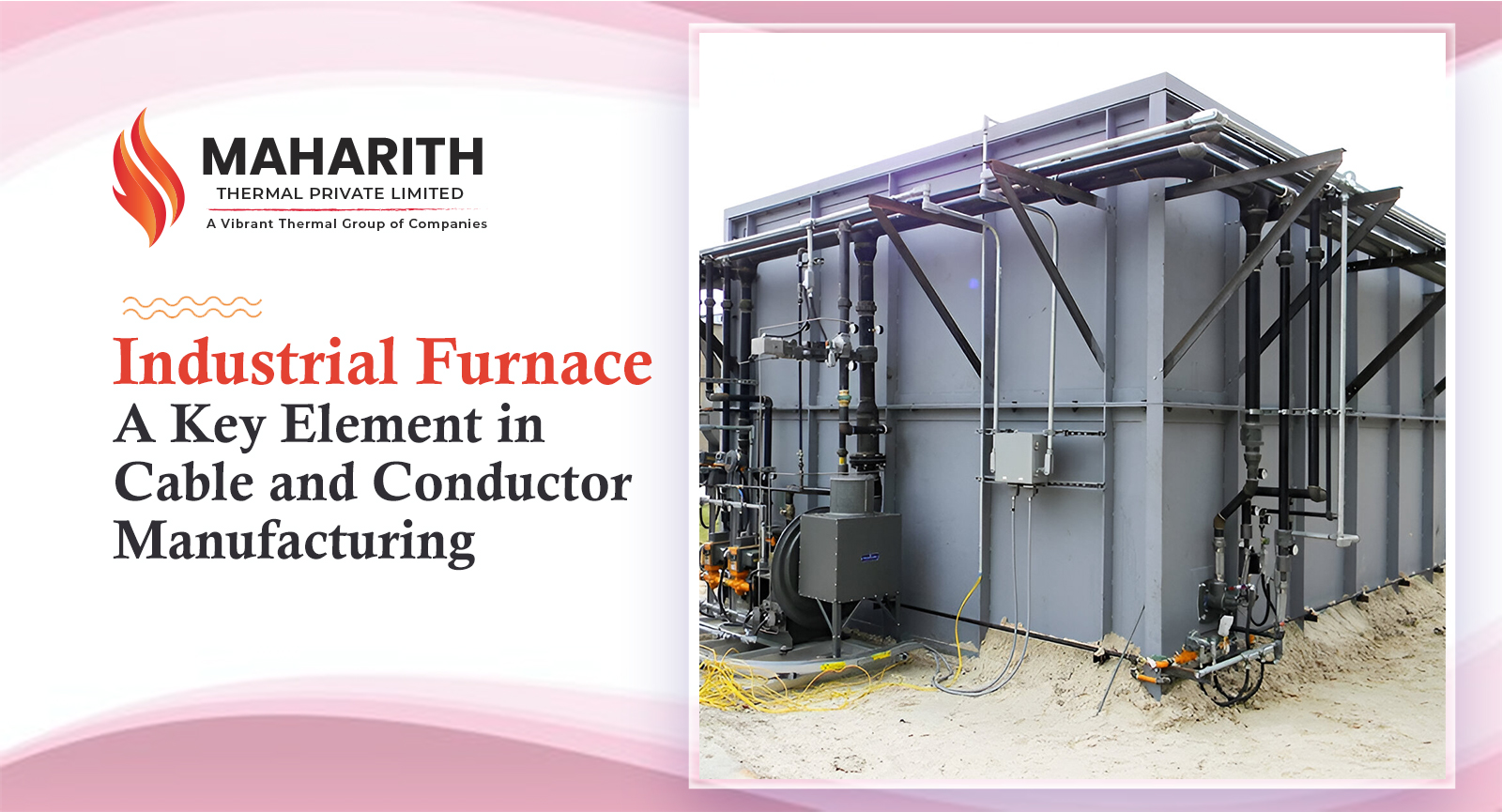
Many industrial procedures need increased temperatures, rendering them impractical to perform at ambient temperature. These procedures rely heavily on industrial furnaces, which might be gas or electric. They raise the temperature of the substance in issue in order to impart its final qualities quickly and effectively.
What is an industrial furnace?
Each sector requires specialized machinery to carry out certain procedures to the needed quality levels. One of these machines is the industrial furnace, which may be likened to an extremely powerful residential oven.
Furnaces are most commonly employed in industry because they allow for precise temperature control. Their vast size enables them to treat a significant amount of material at once and to be utilized continuously for extended periods of time, shortening lead times.
Industrial Furnace Uses
The temperature that furnaces may attain varies depending on their intended use and the effects they must create. Some are employed to create physical impacts, while others cause chemical reactions.
For example, they are used to fuse coatings (paint, enamel, glass) to components, melt or soften materials, burn off residues, incinerate, treat materials for varied qualities, and induce chemical reactions.
Another noteworthy example is steelmaking. There, the heat from a furnace is utilized to soften metals and allow them to be handled and sculpted, such as bending and stamping. Industrial Furnaces can be used for many processes, such as rolling, melting, forging, extrusion, hardening, alloy preparation, and mineral reduction in iron. Heat aids in the removal of contaminants during the annealing process.
Meanwhile, in the automotive and transportation industries, heat treatment, metal melting, and drying furnaces are used to make cars, tractors, trucks, and even bicycles.
Importance of Industrial Furnaces in Cable and Conductor Manufacturing
1. Melting the Metal
Copper and aluminum are the most common metals used in making electrical conductors. These metals are strong, flexible, and good at conducting electricity. But before they can be shaped into wires, they need to be melted. This is where the furnace comes in.
The industrial furnace heats the metal to a temperature high enough to turn it into liquid. For copper, this means around 1,085°C, and for aluminum, around 660°C. The furnace must be strong, safe, and efficient to handle this process.
2. Purifying the Metal
Sometimes, the metal that goes into the furnace contains impurities. These impurities can affect the quality of the conductor. A good furnace helps to remove these impurities during the melting process. This ensures that the final product is pure and high-performing.
3. Casting the Metal
Once the metal is melted and purified, it is poured into molds to form rods or bars. These rods are then cooled and stretched into long, thin wires through a process called drawing. The furnace helps start this process by delivering the molten metal in the right shape and consistency.
Conclusion
The industrial furnace is truly a key element in the manufacturing of cables and conductors. From melting and purifying metals to shaping them into wires, the furnace plays a central role in ensuring high-quality electrical products. As electricity demand continues to grow, the need for efficient and advanced furnace technology becomes even more important.
Maharith Thermal Pvt. Ltd. is one of the leading Industrial Furnace manufacturers and suppliers. We design and build customized furnaces according to the specifications of our customers. For more information about our furnaces, contact us now.

Maharith Thermal Private Limited
Maharith Thermal Pvt Ltd is known for its expertise in Industrial heater and Industrial Oven manufacturing. We fabricate high-grade and energy-efficient furnaces to meet research and industrial requirements.