


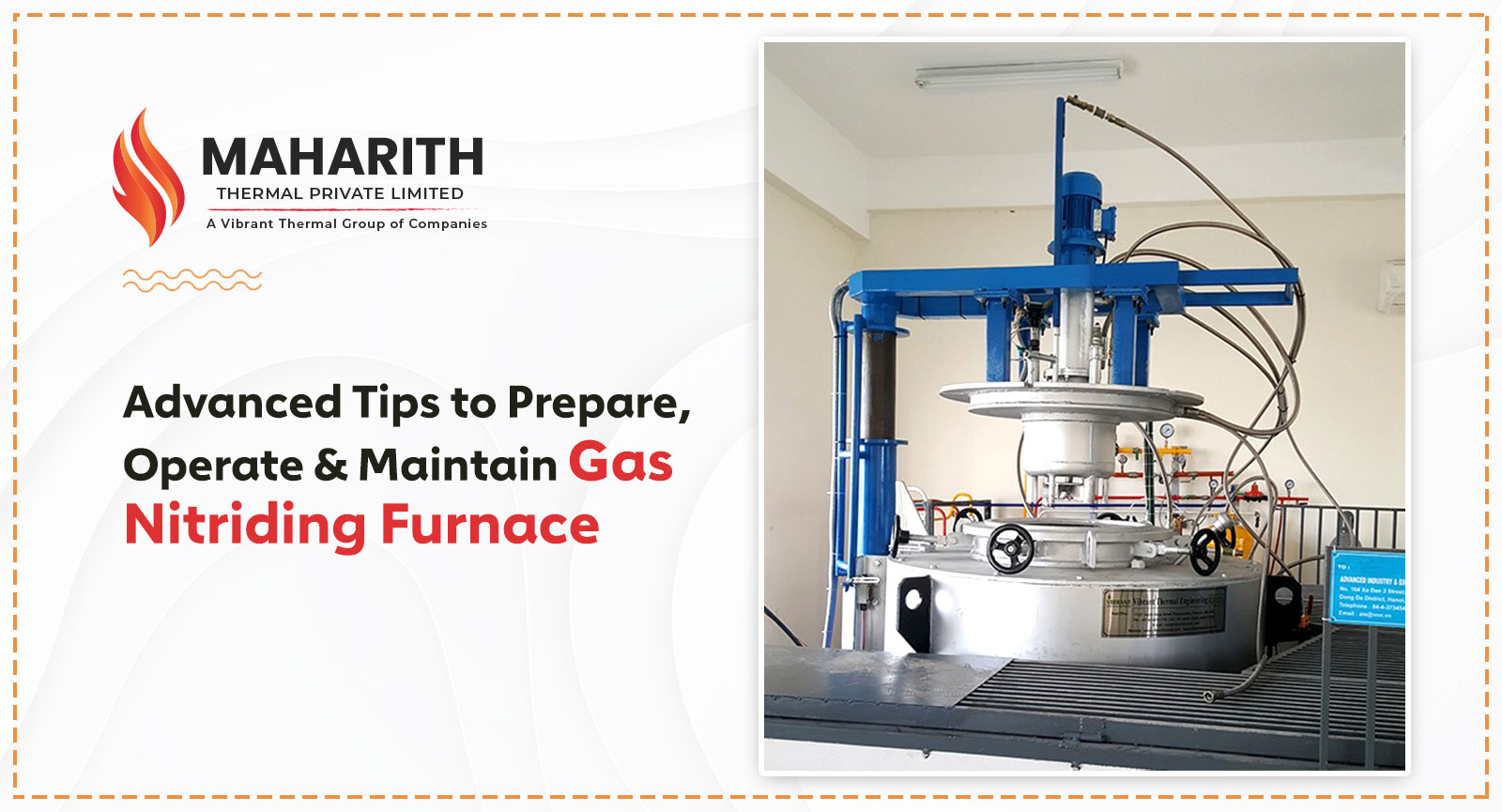
The heating solution is an apt part of the manufacturing process. It will help you achieve a hardened surface, which is necessary while producing sturdy components for the automobile or aerospace industry. The gas nitriding furnace is one such piece of equipment that helps achieve precise surface hardening, making the given surface robust. Although there are many heating processes available, nitriding stands out as the best and most reliable one. So, let us understand everything related to the nitriding furnace in this post.
What is a Nitriding Furnace?
A nitriding furnace is a special heating tool that is designed to support the nitriding process. When the given metal is placed inside the furnace, it releases the active nitrogen at the controlled temperature to harden the metal, preparing a robust and wear-resistant product, which has high strength. This heating equipment is mostly used for ferrous-based materials like alloy steel, titanium, brass and stainless steel.
Prepare
Surface Preparation of Workpiece
The quality of the operations is highly affected by the cleanliness and condition of the heating machine, so make sure that the furnace is rust and oil-free. When the surface is clean, it allows for better diffusion of the nitrogen gas. It will lead to uniform heating and will also reduce the risk of flaking.
Compatibility
The metal should be able to nitride easily. Not all metals contain the nitride-forming elements, so choose the metal for treatment carefully, like chromium, molybdenum, vanadium, or aluminum.
Furnace Preparation
Before you start the heating process:
- Calibrate all the sensors, including the thermocouples and ammonia flow meters.
- Conduct a leak test of the furnace to avoid nitrogen/ ammonia loss or oxygen ingress.
- Now, slowly add the nitrogen gas into the chamber, which will remove the unwanted gases like oxygen and moisture to prevent unwanted reactions.
Operate
Once everything is ready, you are ready to proceed with further operations.
Control the Temperature Accurately
When the nitriding gas requires a stable temperature, even small changes can affect the quality of the end product. So, select the advanced controllers for precisely regulating the temperature. Make sure that the load size and the arrangement are consistent.
Manage the Ammonia Gas Flow
Ammonia is the major source of nitrogen in this process.
- Use a flow meter to determine how much ammonia is entering the furnace.
- Monitor the dissociation rate (how much ammonia breaks into nitrogen and hydrogen), which will impact the hardness of the metal.
Set Time
The longer the workpiece remains in the furnace, the more hardened its layer gets.
- For steel-based products, 10 to 40 hours of nitriding is essential.
- Use a step-based program for better control of the compound layer.
Maintaining
It is a heavy-duty machine, and thus it is essential to maintain it in order to ensure durability.
- Clean the furnace regularly. Constant operations can lead to a buildup inside the furnace. So, clean the inner wall and components to prevent damage or contamination. Remove the salt-like deposits from the surface.
- Check for cracks, thinning, or leaks in the retort.
- Replace seals or gaskets to avoid any leaks.
- Calibrate the temperature sensors, flow metres, and gas analyzers every few months.
In Summary…..
Using a gas nitriding furnace is an effective heating method. It can function efficiently when you know you to operate it. Hopefully, this post will help you understand the heating furnace better. By following the tips mentioned in the blog, you can improve the quality of the operations. Also, the life of the machine will be extended, reducing the operational cost. Maharith Thermal Pvt. Ltd is the top manufacturer of high-quality heating solutions. They are easy to operate, durable, and cost-efficient. So, wait no more! Invest in one of these, and see high-quality results when it comes to heating solutions.

Maharith Thermal Private Limited
Maharith Thermal Pvt Ltd is known for its expertise in Industrial heater and Industrial Oven manufacturing. We fabricate high-grade and energy-efficient furnaces to meet research and industrial requirements.